A Week of Slow Paths Through Slovenia’s Living Craft Villages
What Slow Travel Looks Like Here
Days 1–2: Ljubljana to Škofja Loka and Kropa
Days 3–4: Idrija and the Soča Valley
Meet the Makers
Practical Route and Green Logistics
Trains that Stitch Valleys Together
From Ljubljana, ride north toward Jesenice for connections along the Bohinj Railway, whose tunnels and stone viaducts carry you past lakes and forests to Most na Soči and onward by bus. Eastbound lines reach Ptuj via Zidani Most and Pragersko. Southbound service toward Ribnica has resumed, smoothing access to workshops. No rush: seats are plentiful, views are abundant, and announcements are clear.
Buses that Bridge the Last Miles
Regional buses link Škofja Loka, Kropa, Idrija, and karst villages with a cadence shaped by school days and markets. Nomago and Arriva publish timetables; drivers often offer practical advice. Validate tickets early, signal requests confidently, and expect kindness. If transfers lengthen, stroll to a bakery, scan noticeboards for workshop hours, and let a bench become a classroom for local rhythms.
Walking Links and Seasonal Considerations
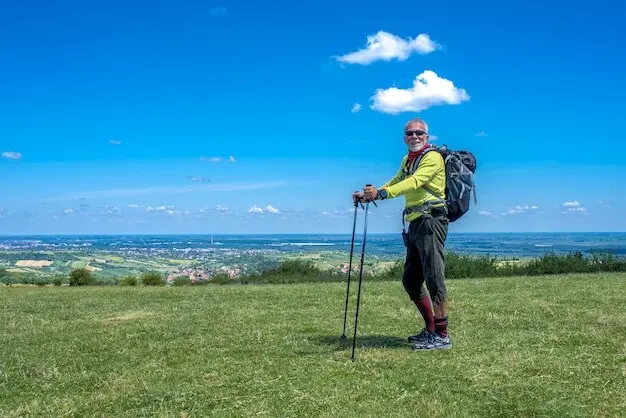
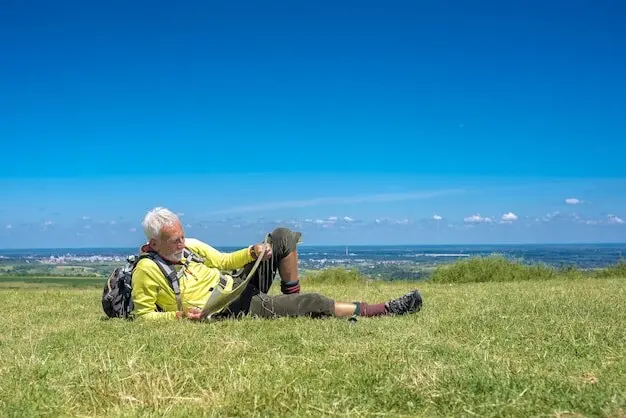
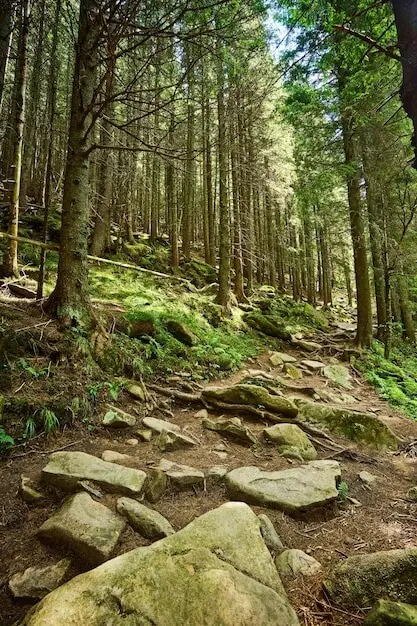
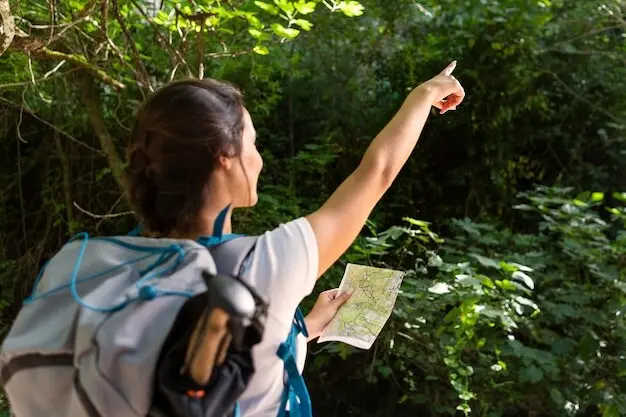
Many final approaches involve cobbles, lanes, and gentle trails. Pack sturdy shoes, a compact umbrella, and layers for mountain breezes. Summer brings festivals and longer hours; winter offers intimacy and deeper conversations. Shoulder seasons glow with color and quieter museums. Regardless of month, begin days early, embrace midday pauses, and remember that arriving a little sweatier often means arriving much more present.
Stays, Meals, and Responsible Spending
Guesthouses with Workbenches and Warm Bread
Choose stays that collaborate with nearby artisans, displaying tools, samples, or small libraries of regional patterns. Some hosts arrange studio visits or demonstrate simple techniques at breakfast tables. Returning after a day of making, you will find warm bread, local honey, and conversations that turn directions into stories, helping tomorrow’s route include hidden lanes and a workshop not shown on any map.
Gostilna Tables that Taste Like History
Menus shift with markets: jota in the Karst, idrijski žlikrofi with buttery sage in Idrija, river trout along Soča, and comforting štruklji for the road. Ask servers which makers supplied boards, ceramics, or knives. When meals tell these connections, dining becomes part of the craft circuit, a daily celebration in which every plate, ladle, and linen carries a maker’s quiet signature.
Souvenirs that Keep Giving Back
Favor items you will use weekly: a ribbed rolling pin, lace-trimmed napkins, a forged coat hook by the door. Each time you reach for them, you relive a workshop scent, a teacher’s gesture, a village square’s light. Share maker stories with guests, recommend workshops to friends, and write a review that prioritizes process knowledge as much as the beauty of the finished piece.