From Glacier Winds to Warm Bays: A Responsible Journey

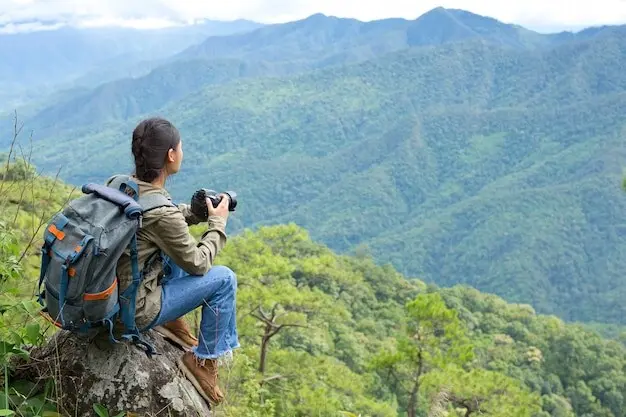
The path from the Julian Alps to the Karst plateau and the sunlit Adriatic is short in distance, yet rich in decisions that shape impact. Choose trains, local buses, and e-bikes, keep groups intimate, and slow down for conversations with hosts. These choices turn each maker encounter into stewardship, ensuring alpine meadows, karstic caves, and salt marshes remain vibrant for the next curious set of hands.

Choosing Low-Impact Routes

Link mountain villages and coastal harbors by rail from Jesenice through Nova Gorica to Koper, then hop on regional buses or rent e-bikes near trailheads. Carpool only when necessary, avoid peak driving hours through fragile valleys, and walk the final stretch. Your pace becomes a promise: more time with makers, less noise for wildlife, and cleaner air for the next morning’s workshop.

Packing for Purposeful Making

Bring a compact repair kit, reusable water bottle, natural-fiber apron, and a small notebook for patterns, plant names, and process sketches. Leave room for locally sourced materials, not mass souvenirs. Add a quick-dry towel, biodegradable soap, and a mesh bag for separating clean wool or salty tools. Pack patience, ask permission before photos, and let curiosity guide respectful, well-prepared hands.

Hands in Alpine Fibers and Wood

In cool valleys where rivers flash turquoise beneath limestone cliffs, makers transform resilient materials into warmth and utility. Expect felting powered by careful water use, delicate bobbin lace spun from reclaimed threads, and carving sessions that upcycle storm-felled or beetle-killed spruce. Each technique weaves traditional know-how with present-day care for forests, flocks, and the people tending both.

Felting with Soča Valley Wool

Learn to sort and card mountain fleeces, then felt with mindful use of water warmed by sun, not boilers. Dyes come from walnut hulls, marigold petals, and onion skins, keeping colors local and runoff harmless. Try shaping slippers or pouches that dry in alpine air. Ask about pasture rotation and animal welfare; your finished piece should carry the kindness of the flock it honors.

Carving Storm-Felled Spruce

Hold a drawknife to wind-thrown spruce or beetle-felled trunks, letting their grain dictate spoons, spatulas, or simple stools. Offcuts become tinder, shavings mulch garden beds, and finishes rely on linseed or beeswax. Instructors explain how careful thinning, respectful foraging, and tool maintenance reduce waste and injuries. By the final pass, you’ll feel the forest’s calm steadying your hands.

Carving with Reclaimed Limestone

Shape tactile soap dishes, herb mortars, or house numbers from quarry leftovers rather than newly cut blocks. Rasps and rifflers whisper, avoiding dust clouds, while rainwater in closed basins catches sediment for safe disposal. Protective eyewear and quiet concentration replace power tools’ roar. The result feels ancient yet kind, channeling the plateau’s geology without deepening extraction.

Natural Pigments from Iron-Rich Soil

Explore terra rossa’s rusty hues as gentle tints for limewash or hand-ground inks, gathered only where permitted and in thimble-sized amounts. Test binders from casein and plant gums, document washfastness, and keep samples small. Stories of cellar doors, grape names, and swallow nests color your palette too. Pigments become a study in restraint, legality, and neighborly respect.

Tools for Air-Dried Prosciutto

Craft drying racks, spacers, and curing boards from pruned hardwoods and reclaimed beams, finished with food-safe oils. Makers explain airflow principles shared by stone alleys and open cellars, reducing energy needs through design. Even if you don’t cure meat, the same joinery elevates herb drying, mushroom threading, and pantry order. Practical objects, built slowly, quietly simplify daily life.

Sea Salt, Olive Trees, and Breeze-Touched Textiles

Down by the Adriatic, sunlight turns shallow pans into mirrors and groves into green labyrinths. Workshops lean on byproducts—olive pomace in soaps, pruned branches for handles, seawater brine for dye experiments—always guided by local rules and fragile habitats. Between lessons, gulls wheel over Piran’s rooftops while wind dries cloth, and conversations drift as easily as boats across the bay.

Bee-Friendly Making with Carniolan Wisdom
Across Slovenia, gentle Carniolan bees inspire makers to work with fragrant cappings, propolis scraps, and stories painted on wooden hive fronts. Workshops favor chemical-light finishes, pollinator corridors in gardens, and respect for quiet hours near apiaries. Each candle, wrap, or panel elevates conservation, proving small-scale creativity can hum in tune with foraging routes and blooming hedgerows.

Rolling Beeswax Candles from Cappings
Use cleaned cappings wax from honey extraction, preserving the honeyed aroma without bleaching. Choose wicks sized for slow burns, roll evenly, and trim responsibly to reduce soot. Proceeds can support wildflower seed mixes along paths you’ve walked. As flames pool and steady, they illuminate patient care for hives, hands, and the landscapes that feed both.

Hand-Painted Hive Panels

Revive a beloved tradition by painting hive fronts with mineral pigments and eco-binders on reclaimed boards. Scenes carry local humor, proverbs, or pollinator guides for children, then weather gently in garden air. The practice honors history while teaching newcomers about respectful proximity, gentle smoke, and bloom calendars. Art becomes instruction, and instruction becomes an invitation to protect.

Sourdough with Heritage Buckwheat and Spelt

Feed a starter milled from regional grains, then shape loaves in wooden bannetons carved yesterday from reclaimed boards. Bakers explain soil health, rotational planting, and how stone mills preserve flavor. Crumbs carry alpine air and karst patience. Share slices with olive oil and salt, and taste a map of fields, mills, and hands that keep diversity alive.

Upcycling Workshop Residuals

Turn wood shavings into smoker fuel or garden mulch, felt wool offcuts into coasters, set stone dust in lime terrazzo tiles, and rebatch soap trimmings into guest bars. Track scraps in a shared ledger to reduce future waste. When nothing remains, that emptiness is a triumph. Circular habits make every bench, basin, and cutting board a lesson.

Small-Group Economics That Work

Hosts price transparently, pay apprentices fairly, and limit group size to safeguard quality and place. You’ll see how pre-booking, off-season scheduling, and shared transport stabilize incomes without straining villages. Choosing certified experiences under national sustainability schemes strengthens stewardship. Money becomes a vote for methods that last, keeping doors open and materials thoughtfully sourced for the next learners.

A Three-Day Sample Path

Day one: train to the Alps for wool felting and a forest-friendly carving session. Day two: bus to the Karst for limestone offcut mosaics and a shared courtyard supper. Day three: ride to the coast for salt raking at dawn and olive-pomace soap by afternoon. Even brief journeys can honor place when schedules breathe and distances shrink.

Questions Worth Asking Every Host

Where do your materials come from, and what certainties support their renewal? How do you manage water, dust, and energy? What is the ideal group size, accessibility consideration, and safety protocol? Are apprentices paid and neighbors supportive? These respectful questions build trust, sharpen learning, and align your hands-on time with values you’ll proudly carry home.

Join the Conversation and Keep Learning

Share insights, book future workshops early, and keep notes on techniques you’ll try locally. Post photos only with permission, credit makers generously, and tag organizations supporting pollinators, parks, or crafts. Subscribe for upcoming routes, plant-dye experiments, and transport updates. A simple thank you—hvala—opens doors; your curiosity keeps them open for the next traveler too.

Farisanolivolumapalovexo
Privacy Overview

This website uses cookies so that we can provide you with the best user experience possible. Cookie information is stored in your browser and performs functions such as recognising you when you return to our website and helping our team to understand which sections of the website you find most interesting and useful.